

Blog
How to Taste Tea: A Beginner-Friendly Guide
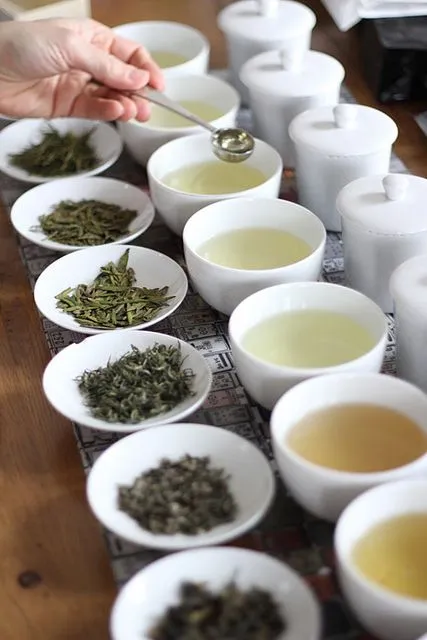
Most of us drink tea without really tasting it — a quick sip between emails, a warm mug on a cold morning. But tea, like wine or coffee, rewards a slower kind of attention. You don’t need special training or a refined palate to start; you just need to know what to look for. Here’s a simple framework to help you become a professional tea taster in no time.
Start With Your Eyes
Before the tea even touches your lips, take a moment to look at it. Hold your cup up to the light and notice the color of the liquor — is it pale straw, golden amber, or deep reddish-brown? Color offers an early clue about the tea’s oxidation level and intensity. Lightly oxidized teas like green or white tea tend to be pale, while black and dark teas run deeper and richer. This first glance sets your expectations for what’s to come.
Breathe It In
Aroma shapes most of what you’ll taste, so don’t rush past this step. Bring the cup close to your nose and inhale slowly. Try smelling the dry leaves too, before and after steeping — the difference can be surprising. Do you catch something floral, grassy, roasted, or fruity? Maybe a whiff of honey or smoke?
Sip Like You Mean It
Here’s a habit that feels strange at first: sip loudly. Professional tea tasters do this on purpose. A quick, slurping sip pulls air through the tea and spreads it across your entire palate, helping you pick up subtler notes that a polite, quiet sip would miss.
Notice the Stages
A well-made tea doesn’t taste the same from the moment it hits your tongue to the moment it’s gone. Pay attention to how the flavor unfolds in stages: an initial taste, a shifting mid-palate character, and finally an aftertaste. In Chinese tea culture, this lasting aftertaste is called “hui gan,” and it’s often considered a mark of high-quality tea. The best cups keep revealing themselves long after the sip is over.
Feel the Texture
Flavor isn’t just about taste — it’s also about how the tea feels in your mouth. Is it silky and smooth, brisk and light, slightly astringent, or full and rounded? This quality, known as mouthfeel, tells you as much about a tea’s character as its flavor notes do.
Don’t Judge Too Fast
If you’re drinking whole-leaf tea, resist the urge to form an opinion after just one steep. Many teas open up differently with each infusion, revealing new layers of flavor as the leaves unfurl. The first cup might be gentle, the second bolder, the third softer again. Re-steeping isn’t just economical — it’s part of the experience.
Make It a Practice
Tasting tea isn’t about getting it “right” on the first try. It’s about paying closer attention, cup after cup, until your palate starts noticing things it never did before. So the next time you brew a pot, slow down. Look, smell, sip, and let the tea tell you its story.